
Dwarka, Gujarat: The Eternal Kingdom of Lord Krishna
Dwarka, located on the western coast of Gujarat, is not just a city — it is a sacred spiritual destination, an ancient maritime hub, and one of the char dhams (four sacred pilgrimage sites) in Hinduism. Steeped in mythology, history, and devotion, Dwarka stands as a symbol of India’s deep-rooted religious culture and timeless traditions. Known as the “Gateway to Moksha”, this legendary city is believed to have been the capital of Lord Krishna’s kingdom.
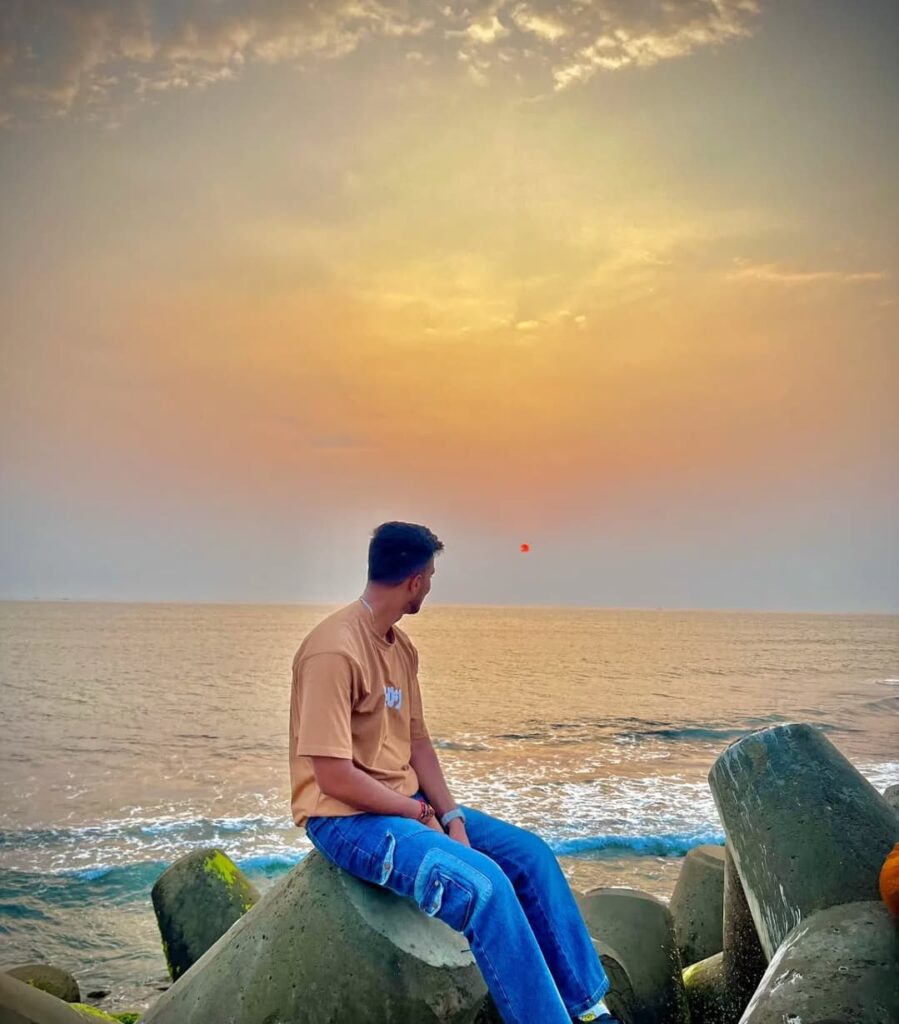
From sun-kissed temples and serene beaches to archaeological ruins and sacred ghats, Dwarka offers an unforgettable spiritual and cultural experience for pilgrims and travelers alike.
Mythology and Historical Significance
The name “Dwarka” originates from the Sanskrit words ‘Dwar’ meaning gate and ‘Ka’ meaning Brahma or the supreme soul — making Dwarka the gateway to the divine.
According to Hindu mythology, was built by Lord Krishna after he left Mathura to escape repeated attacks by Jarasandha. It is said that Krishna reclaimed land from the sea to establish the city, and it became the capital of the Yadava kingdom. Known as “Golden Dwarka”, the city was described in ancient texts as an opulent, prosperous, and strategically built metropolis.
As per scriptures, after Lord Krishna’s departure from the mortal world, the original city was submerged by the sea — a claim partially supported by underwater archaeological findings that hint at a submerged city off the coast of modern Dwarka.
Dwarkadhish Temple: The Heart of the City
The Dwarkadhish Temple, also known as the Jagat Mandir, is the spiritual centerpiece of the city. Dedicated to Lord Krishna, it is one of the Char Dham sites and a major attraction for pilgrims across India.
- The temple is believed to be over 2,000 years old, though the current structure was rebuilt in the 15th-16th century in Chalukya style.
- It stands seven stories tall and is built from soft limestone, featuring intricate carvings, majestic spires, and a 72-pillared hall.
- The temple’s flag, changed five times a day, is an iconic symbol, always fluttering high above the town, bearing symbols of the sun and moon.
Inside the sanctum, the deity of Dwarkadhish (King of Dwarka) is adorned with jewels, flowers, and vibrant clothing. The temple comes alive with the sounds of bhajans, conch shells, and temple bells, creating a deeply spiritual atmosphere.
Gomti Ghat and Sacred Rituals
Just behind the Dwarkadhish Temple flows the Gomti River, which meets the Arabian Sea. The Gomti Ghat is considered highly sacred, where devotees perform ritual baths and offer prayers before entering the temple.
Stone steps lead down to the water, where small shrines dedicated to Samudra Narayana, Lakshmi, and Rukmini can be found. Pilgrims often take a dip here, believing it cleanses the soul and grants divine blessings.
Rukmini Devi Temple
Located about 2 km from the main city, the Rukmini Devi Temple is dedicated to Krishna’s chief consort, Rukmini. This 12th-century temple is adorned with exquisite carvings and is an essential part of the Dwarka pilgrimage.
Legend has it that Rukmini was cursed by a sage, which is why her temple is located away from Krishna’s. Pilgrims perform jal daan (water offering) here as part of an age-old ritual.
Bet Dwarka: Krishna’s Offshore Abode
One of the highlights of a Dwarka visit is a short boat ride to Bet , an island located around 30 km from Dwarka town. This island is believed to be the original residential place of Lord Krishna and the site where he lived with his family.
Bet Dwarka features several temples, including:
- The Shri Keshavraiji Temple, believed to be built by Krishna’s grandson.
- Temples dedicated to Vishnu, Radha, Lakshmi, and Hanuman.
- The Abhaya Mata Temple, known for its ancient coastal charm.
The boat ride across the Arabian Sea is serene, offering panoramic views and a chance to spot dolphins or seabirds.
Nageshwar Jyotirlinga
Located about 18 km from , the Nageshwar Temple is one of the 12 Jyotirlingas — highly revered shrines dedicated to Lord Shiva. The temple houses a massive 25-meter tall Shiva statue that can be seen from a distance.
According to legend, this is the place where Lord Shiva appeared to protect his devotee from a demon, making it a place of divine intervention and power.
Dwarka’s Archaeological Wonders
The legends of being submerged underwater have long intrigued archaeologists. In recent decades, marine archaeology has revealed fascinating structures like stone walls, pillars, and artifacts beneath the Arabian Sea — possibly linked to ancient Dwarka.
These findings suggest the possibility of a highly advanced port city that once existed and lend some credibility to mythological accounts. The discoveries continue to attract scholars and explorers seeking to unravel the mystery of Krishna’s sunken kingdom.
Festivals and Celebrations
Dwarka is at its most vibrant during festivals, when the city fills with color, music, and spiritual energy:
- Janmashtami: Krishna’s birthday is celebrated with grand processions, devotional music, and night-long festivities.
- Holi, Diwali, and Kartik Purnima are also observed with rituals, lights, and local traditions.
These festivals offer a perfect opportunity to experience Gujarati culture, traditional dances like Garba, and the warm hospitality of the locals.
How to Reach
- By Air: The nearest airport is Jamnagar (about 130 km). From there, taxis and buses connect to Dwarka.
- By Train: Dwarka Railway Station is well connected to major Indian cities like Ahmedabad, Mumbai, and Delhi.
- By Road: Regular buses and private taxis run from Ahmedabad, Rajkot, and Jamnagar.
Best Time to Visit
The ideal time to visit Dwarka is between October and March, when the weather is pleasant and suitable for sightseeing. Summers can be hot, while monsoons add beauty to the coastal landscape.
Travel Tips
- Dress modestly when visiting temples.
- Footwear is not allowed inside temple premises.
- Be prepared for long queues during festival times.
- Try local Gujarati thali, snacks, and sweets like mohanthal and shrikhand.
- Boating to Bet is enjoyable but avoid during rough sea conditions.
Conclusion: A Journey to the Divine
Dwarka is not just a destination — it is a pilgrimage of the heart and soul. Whether you’re a believer drawn by Krishna’s legend, a history lover fascinated by submerged cities, or a traveler in search of peace, Dwarka offers a unique spiritual journey wrapped in myth, history, and devotion.
From ancient temples and sacred waters to windswept coasts and sun-drenched shrines, Dwarka invites you to walk in the footsteps of divinity. As the temple bells ring and the sea laps gently at the ghats, one can truly feel the presence of the eternal — a kingdom not lost, but forever living in the hearts of devotees.