
Mana Village: India’s Last Village of Myth, Majesty, and Mountains
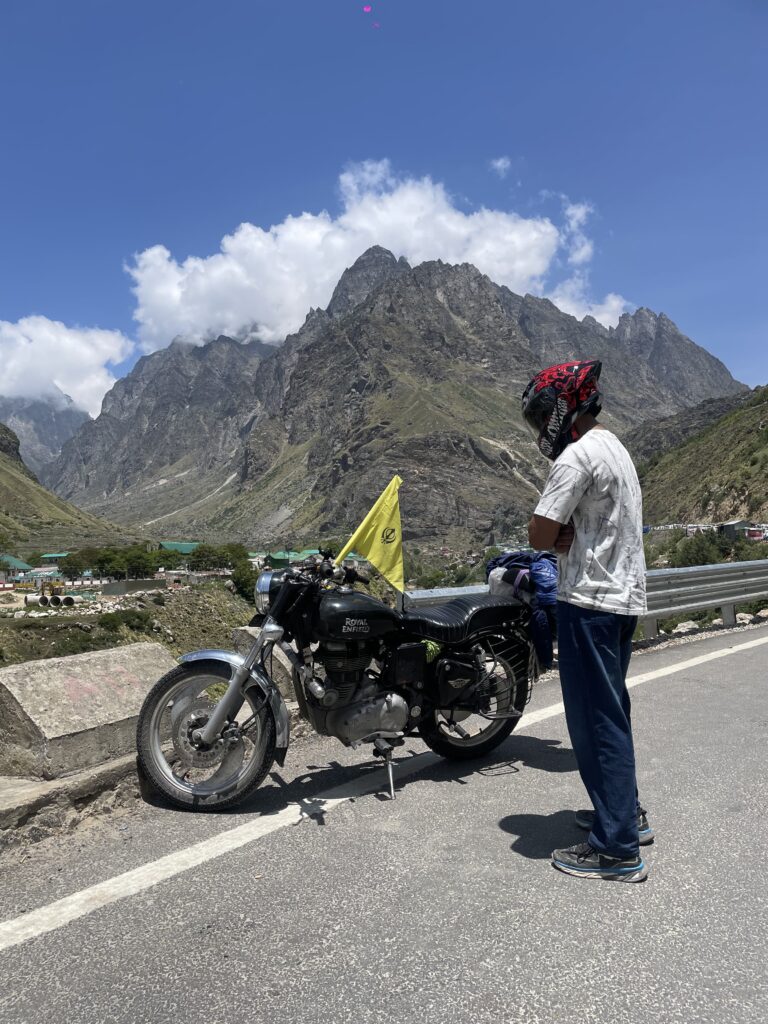
Tucked away in the breathtaking Chamoli district of Uttarakhand, just 3 kilometers from the sacred Badrinath Temple, lies a small yet significant hamlet called . Popularly known as “India’s Last Village”, Mana is located near the Indo-Tibetan border, and stands at an altitude of approximately 3,200 meters (10,500 ft) in the lap of the Himalayas.
Despite its title as the “last village,” Mana is first in many ways — first in beauty, in cultural richness, in spiritual importance, and in capturing the imagination of every traveler who steps onto its ancient stone paths. From mythological legends to natural wonders, Mana is more than just a geographical marker — it’s a gateway into the heart of India’s epic history and divine charm.
Where the Myths Walk Beside You
ManaVillage is deeply rooted in Indian mythology and ancient texts. It is believed to have been a resting place of the Pandavas during their final journey to heaven — a story from the Mahabharata known as the Mahaprasthan. The legends whisper through the mountains, and every rock and cave here carries a divine story.
Key Mythological Sites in Mana:
- Bhim Pul: A natural stone bridge over the Saraswati River, believed to have been placed by Bhima, one of the Pandava brothers, to help his wife Draupadi cross during their journey to heaven.
- Vyas Gufa: A cave where Ved Vyas, the sage credited with composing the Mahabharata, is believed to have lived and dictated the epic to Lord Ganesha.
- Ganesh Gufa: Close to Vyas Gufa, this is where Lord Ganesha is said to have sat and penned down the Mahabharata as Ved Vyas narrated it.
- Saraswati River Origin: Just above Bhim Pul flows the Saraswati River, a mystical river mentioned in ancient scriptures, which later disappears into the ground.
- linkdin
Geographic and Cultural Uniqueness
Mana is located just 24 kilometers from the Indo-Tibetan border, making it the last village on the Indian side. It lies at the edge of the Mana Pass, an ancient trade route that was once used by local tribes for trading wool, salt, and herbs with Tibetans.
The village is inhabited by the Bhotiya tribe, an Indo-Tibetan ethnic group known for their warm hospitality, colorful culture, and traditional woolen clothing. During the harsh winters, the entire village migrates to lower altitudes, returning only in summer.
Life in Mana: Simplicity and Serenity
The people of Mana live simple yet spiritually enriched lives. The village has a small number of houses, constructed with stones and wood, maintaining harmony with the rugged terrain. Agriculture and wool weaving are the main sources of livelihood.
Locals sell handmade woolen products, herbs, and traditional food items. Small tea shops in the village proudly declare themselves as “India’s Last Tea Shop,” offering piping hot tea with a stunning view of snow-covered mountains.
Trekking and Exploration Opportunities
Mana is a paradise for trekkers and adventurers, with numerous trails leading to glacial lakes, valleys, and high-altitude passes.
Popular Treks Around Mana:
- Satopanth Tal Trek: A high-altitude glacial lake located about 25 km from Mana, believed to be visited by the Trimurti — Brahma, Vishnu, and Shiva. This moderately difficult trek offers awe-inspiring views of peaks like Neelkanth, Chaukhamba, and Balakun.
- Mana Pass Trek: For serious adventurers and with special permission from the Indian Army, this trail leads to Mana Pass, one of the highest vehicle-accessible passes in the world.
These treks are rich in alpine flora, glacial streams, and panoramic views, making Mana a dream destination for nature lovers.
Best Time to Visit Mana Village
Mana is accessible only from May to October, as heavy snowfall cuts off the village during winters. The best time to visit is between May and June or September and October, when the weather is pleasant and the skies are clear.
- Summer (May–June): Cool weather and blooming meadows.
- Monsoon (July–August): Lush greenery but prone to landslides.
- Autumn (September–October): Clear skies and excellent for trekking.
Winters are extremely harsh, and the village remains closed to tourists from November to April.
How to Reach Mana Village
- By Air: The nearest airport is Jolly Grant Airport, Dehradun (approx. 320 km).
- By Train: The nearest railway station is Rishikesh (approx. 300 km).
- By Road: Mana is well-connected by road to Badrinath, which is 3 km away. Shared jeeps or local taxis are available.
The road from Joshimath to Badrinayt
and onward to Mana, offers a mesmerizing drive through the mountains with views of river valleys and dense forests.
Nearby Attractions
- Badrinath Temple: One of the Char Dham pilgrimage sites and a major attraction near Mana. The temple is dedicated to Lord Vishnu and attracts thousands of devotees every year mana village.
- Tapt Kund: A natural hot water spring near Badrinath Temple, believed to be the abode of Agni, the fire god.
- Neelkanth Peak: Towering over Badrinath, it offers a majestic backdrop and is often called the ‘Garhwal Queen’.
Eco-Tourism and Sustainability
Being an ecologically fragile zone, visitors are encouraged to respect the local environment and practice responsible tourism. Avoid littering, use eco-friendly products, and engage with the mana village community through ethical purchases of local goods.
The Uttarakhand government, along with local NGOs, is working to promote sustainable tourism in the region — preserving both its natural beauty and cultural heritage mana village.
The Spiritual Aura of Mana
Every stone and stream in Mana seems to whisper ancient stories. The spiritual energy here is palpable, especially when one sits in silence by the Saraswati River or watches the sun set behind Himalayan peaks Mana village.
For pilgrims, Mana is more than a village — it is the final leg of a sacred journey, where mythology blends with nature. For travelers, it’s a rare encounter with untouched beauty, soulful silence, and a connection to something eternal.
Conclusion: The Beginning at the End
Though called the “Last Village of India,” Mana feels more like a beginning — a beginning of inner reflection, adventure, and reverence for the earth and stories it holds. It’s where history, mythology, and natural grandeur converge, offering a deeply enriching experience for anyone who visits.
Whether you’re a pilgrim, a trekker, a writer, or a wanderer, Mana Village welcomes you with its ancient caves, roaring rivers, sacred trails, and warm-hearted people. It’s a place where the divine meets the earthly, and where the journey, not the destination, becomes the story worth telling.