
Banaras: The Eternal City on the Banks of the Ganges
Banaras, also known as Varanasi or Kashi, is not just a city – it is a living, breathing embodiment of India’s ancient soul. Perched on the sacred banks of the River Ganges, Banaras is considered the spiritual capital of India. With a history that stretches back thousands of years, this sacred city remains timeless – a place where the divine meets the mundane, life merges with death, and tradition walks hand-in-hand with modernity.
From its labyrinthine lanes and vibrant ghats to its timeless rituals and majestic temples, Banaras offers a transformative experience that captivates the hearts of travelers, pilgrims, and seekers from around the world.
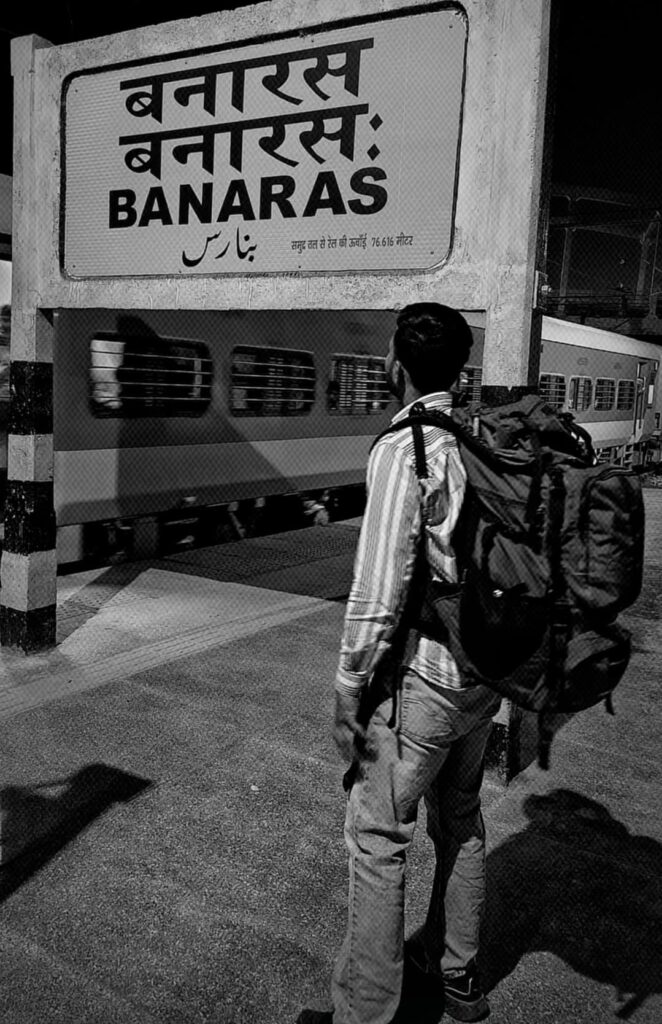
A City Older Than Time
It is often said that Banaras is older than history, older than tradition, and even older than legend. This ancient city has been mentioned in sacred texts like the Rigveda, the Mahabharata, and in Buddhist and Jain scriptures. Many believe that Lord Shiva himself founded the city, making it a place of immense religious and mythological importance.
Known by its ancient name Kashi, meaning “the city of light,” Banaras has long been a beacon of knowledge, culture, and spirituality. It is one of the seven sacred cities (Sapta Puri) in Hinduism, and also holds importance for Buddhists and Jains.
Ghats of Banaras: Life Along the Ganges
The soul of Banaras resides along its ghats – the long stretch of steps leading down to the river. With over 80 ghats, each has its own significance and character. The most famous among them include:
- Dashashwamedh Ghat: Known for its grand evening Ganga Aarti, this ghat buzzes with life and devotion.
- Manikarnika Ghat: One of the oldest and most sacred cremation grounds in India, where the cycle of life and death plays out in full view.
- Assi Ghat: Popular among locals, students, and tourists, it’s a cultural hotspot where music, yoga, and spirituality meet.
The ghats are the heart of Banaras – where people come to bathe in the holy river, perform rituals, offer prayers, and meditate. Each sunrise along the Ganges brings a new story to life, while each sunset marks a serene moment of reflection.
Spiritual Significance
For devout Hindus, dying in Banaras is believed to grant moksha – liberation from the cycle of birth and death. That’s why many elderly and spiritual seekers come to the city to live out their final days. The city is dotted with ashrams, temples, and dharamshalas, offering refuge and spiritual solace.
Pilgrims visit temples like:
- Kashi Vishwanath Temple: One of the 12 Jyotirlingas, dedicated to Lord Shiva.
- Annapurna Temple: Dedicated to the goddess of nourishment.
- Kal Bhairav Temple: Considered the guardian of the city.
These temples resonate with chants, bells, and incense, creating an atmosphere of divine energy.
Banaras and Buddhism
Banaras is also a crucial location for Buddhism. Just a few kilometers away lies Sarnath, where Gautama Buddha delivered his first sermon after enlightenment. The Dhamek Stupa, Ashokan Pillar, and various monasteries here make it a pilgrimage site for Buddhists worldwide.
The Banarasi Culture: A Fusion of Art, Music, and Literature
Banaras is not just a religious city – it’s a vibrant cultural capital.
- It is the birthplace of classical Indian music. Legends like Pandit Ravi Shankar, Ustad Bismillah Khan, and Girija Devi hailed from here.
- The city has inspired poets and writers like Kabir, Tulsidas, and Premchand.
- The Banarasi saree, known for its rich silk and intricate zari work, is a cultural symbol recognized worldwide.
From morning ragas echoing in the air to vibrant street plays and traditional festivals, Banaras has a rich cultural pulse that beats with unmatched rhythm.
The Banarasi Way of Life
Life in moves at its own pace. It’s chaotic yet peaceful, intense yet calming. The narrow lanes (galis) are filled with surprises – age-old shops, local eateries, hidden temples, and fascinating characters. The city has a unique blend of the old and the new.
The Banarasi people are warm, humorous, and philosophical. Conversations often turn poetic or spiritual, and the local dialect is rich with wit and wisdom.
Cuisine of : A Spiritual Feast
Banaras is a heaven for food lovers, especially vegetarians. Some must-try dishes include:
- Kachori-Sabzi: A popular breakfast item.
- Tamatar Chaat and Aloo Tikki: Tangy street snacks.
- Banarasi Paan: A symbolic after-meal betel leaf with spices.
- Lassi and Thandai: Refreshing milk-based drinks, sometimes infused with bhang during Holi.
- Malaiyo: A winter delicacy, frothy and flavored with saffron and cardamom.
The food reflects the spirit of – simple, soulful, and deeply satisfying.
Festivals and Celebrations city of festivals, celebrated with great fervor and devotion:
- Dev Deepawali: When the ghats are lit with millions of diyas, creating a magical sight.
- Ganga Mahotsav: A cultural festival showcasing music, dance, and crafts.
- Mahashivratri, Holi, Diwali, and Chhath Puja are celebrated with full enthusiasm.
The city becomes a theater of celebration, devotion, and color.
Ganga Aarti: A Divine Experience
No visit to is complete without witnessing the Ganga Aarti at Dashashwamedh Ghat. As the sun sets, priests dressed in traditional attire perform rituals with fire, incense, and conch shells. The synchronized movements, chants, and glowing lamps create a spiritual ambiance that touches every soul present.
The Aarti is not just a ceremony – it is a cosmic offering, a moment where the earthly and the divine merge.
Travel Tips for Visitors
- Best Time to Visit: October to March, when the weather is pleasant.
- Stay Options: From luxurious hotels along the ghats to budget guesthouses in the lanes, Banaras caters to all travelers.
- Getting Around: Walking and cycle rickshaws are ideal in the narrow lanes. Boats offer a unique perspective of the city from the Ganges.
- Respect Local Traditions: Dress modestly and be mindful of religious practices, especially at temples and cremation ghats.
Conclusion: A City That Lives Forever
Banaras is not just a city; it’s an experience, a pilgrimage of the soul, and a journey through time. It teaches you to embrace life and death, chaos and calm, devotion and celebration – all at once.
As you walk along its ghats or lose yourself in its ancient alleys, you realize that Banaras doesn’t just exist on the map – it lives in the spirit of India. The river flows, the temples chant, and the city continues – timeless, eternal, and ever-awake.
Whether you come to seek God, inner peace, or simply a deeper understanding of India, Banaras will stay with you – forever etched in your heart.