
Shikhar Rajasthan – Exploring the Elevated Majesty of the Desert Kingdom
Rajasthan, the land of vibrant culture, mighty forts, and royal heritage, is mostly associated with scorching deserts, golden sand dunes, and opulent palaces. But beyond the popular imagination, Rajasthan hides another breathtaking dimension—its elevated landscapes, or what we may call “Shikhar Rajasthan”. These hilltops, plateaus, and highlands provide a refreshing contrast to the arid plains and stand as sentinels of history, spirituality, and natural beauty.
From the serene heights of Mount Abu, the only hill station in the state, to the mighty Kumbhalgarh Fort nestled atop rugged hills, Shikhar Rajasthan offers a unique journey through Rajasthan’s elevated crown jewels
1. Mount Abu – The Hill Station of Rajasthan
Rajasthan’s only hill station, Mount Abu, is nestled in the Aravalli Range at an elevation of 1,220 meters. This lush green retreat offers a cool respite from the otherwise hot climate of the state. With its rich flora and fauna, spiritual sites, and panoramic viewpoints, Mount Abu stands as the jewel of Shikhar Rajasthan.
Top Attractions:
- Dilwara Jain Temples – These temples are a marvel of marble architecture with intricate carvings and spiritual serenity.
- Nakki Lake – A beautiful lake surrounded by hills and perfect for boating and picnics.
- Guru Shikhar – The highest point in Rajasthan at 1,722 meters, offering stunning views and a temple dedicated to Guru Dattatreya.
Mount Abu beautifully blends spirituality, nature, and leisure, making it a must-visit destination.
2. Kumbhalgarh – The Fort Among the Clouds
Perched at an altitude of 1,100 meters in the Rajsamand district, Kumbhalgarh Fort is one of the most majestic and strategically built hill forts in India. Built by Rana Kumbha in the 15th century, the fort is surrounded by the second-longest wall in the world, after the Great Wall of China.
Highlights:
- UNESCO World Heritage Site under the Hill Forts of Rajasthan.
- The birthplace of Maharana Pratap, a legendary Rajput warrior.
- The surrounding Kumbhalgarh Wildlife Sanctuary, home to leopards, wolves, and antelopes.
Kumbhalgarh is not just an architectural wonder, but also a perfect example of hill fort engineering in medieval India.
3. Sajjangarh – The Monsoon Palace of Udaipur
Overlooking the beautiful city of Udaipur and the Fateh Sagar Lake, the Sajjangarh Palace or Monsoon Palace sits atop a hill, offering a spectacular view of the surroundings. Built by Maharana Sajjan Singh, it was intended to track monsoon clouds—hence the name.
Why Visit:
- Sunset views are simply magical.
- Offers panoramic views of the Aravalli Hills and Udaipur’s lakes.
- Nearby Sajjangarh Wildlife Sanctuary adds to the experience.
Sajjangarh represents the royal vision of connecting architecture with nature and is a key part of Shikhar Rajasthan’s appeal.
4. Achalgarh – The Hidden Gem of Mount Abu
Just a short drive from Mount Abu, Achalgarh is a small fort and temple complex situated on a rocky hilltop. It was originally built by the Paramara dynasty and later renovated by Rana Kumbha.
Main Attractions:
- Achaleshwar Mahadev Temple, dedicated to Lord Shiva with a naturally occurring Shivlinga.
- Achalgarh Fort, though in ruins, offers mesmerizing views and a quiet retreat for those seeking peace.
This lesser-known hilltop site adds spiritual depth and historical charm to Rajasthan’s elevated destinations.
5. Taragarh Fort, Bundi – A Forgotten Watchtower
Standing tall on a steep hill in Bundi, Taragarh Fort is one of the oldest hill forts in Rajasthan, built in the 14th century. Though less frequented by tourists, its rugged charm, ancient tunnels, and panoramic views are unforgettable.
What to See:
- Gigantic gateways and battlements.
- Beautiful murals and frescoes within the palace.
- A challenging trek offering amazing views of Bundi town below.
This offbeat fort is a treasure for explorers looking to dive deep into Shikhar Rajasthan’s hidden past.
6. Ranthambore Highlands – Where Nature Meets History
While Ranthambore National Park is mostly known for its tiger safaris, its elevated terrains, ruined structures, and hilltop fort make it part of Shikhar Rajasthan. The Ranthambore Fort, sitting atop a high cliff, overlooks the dense forest below and is a UNESCO World Heritage Site.
Experience Includes:
- Trekking to the fort, surrounded by monkeys and birds.
- Views of Padam Talao, the largest lake in the park.
- Exploring ancient temples, cenotaphs, and stepwells on the hill.
Ranthambore offers a perfect blend of wildlife and elevated heritage.
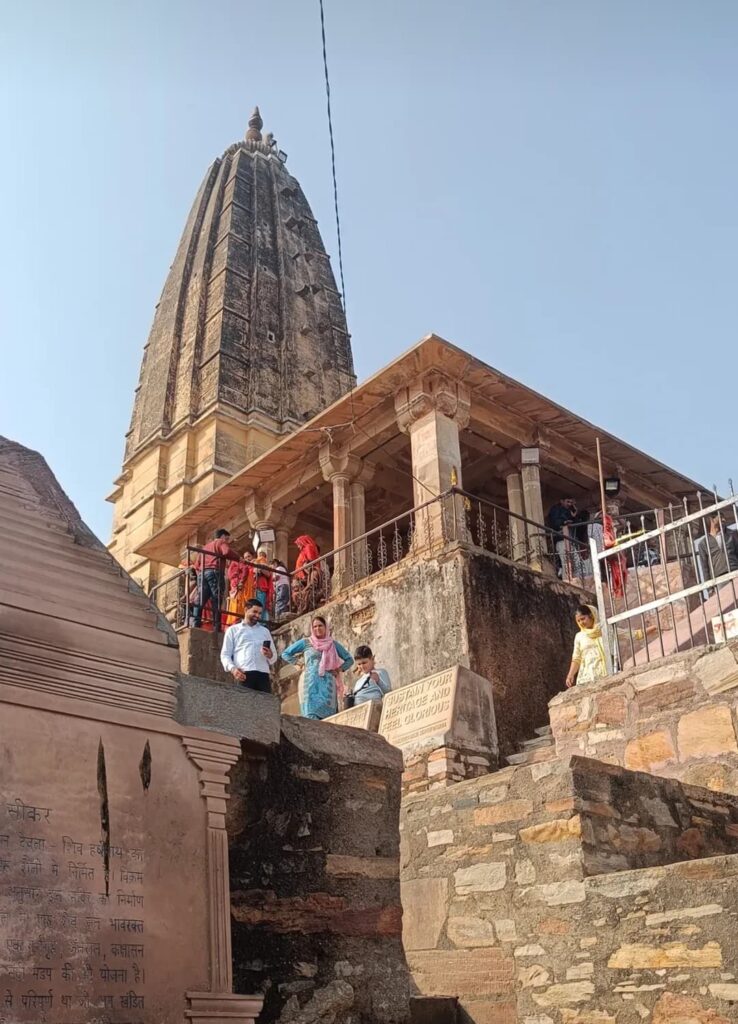
7. Harshnath Temple, Sikar – A Hilltop Temple of Serenity
Located near Sikar, Harshnath Temple is perched on the Harshgiri Hills at around 900 meters. This ancient Shiva temple, dating back to the 10th century, is a peaceful spiritual site surrounded by panoramic views.
Special Features:
- Carved pillars and sculptures reminiscent of early Hindu architecture.
- Offers tranquility and solitude.
- A trekking route for adventure seekers.
It represents the sacred side of Shikhar Rajasthan, where devotion meets natural elevation.
8. Karni Mata Temple, Udaipur – A Hilltop Sanctuary
Built atop Machla Magra Hills, the Karni Mata Temple in Udaipur offers sweeping views of the city. The temple is connected by a ropeway, making it easily accessible.
Why Visit:
- Beautiful aerial views of Udaipur, Lake Pichola, and City Palace.
- Peaceful temple dedicated to Karni Mata, a revered deity in Rajasthan.
- The spot is popular for evening visits and photography.
It’s a great example of combining spirituality with scenic beauty.
Conclusion: Rajasthan Beyond the Sands
Shikhar Rajasthan brings to light a lesser-seen side of the royal state—a land that’s not just about deserts and palaces, but also about heights that offer peace, perspective, and pride. These hilltop wonders—forts, temples, lakes, wildlife sanctuaries—are the elevated jewels that crown Rajasthan’s glorious heritage.
Whether you’re watching a sunset from Sajjangarh, meditating at Achaleshwar, or trekking up to Kumbhalgarh Fort, Shikhar Rajasthan promises experiences that elevate your journey, both literally and spiritually.
Travel Tips for Exploring Shikhar Rajasthan:
- Best Time to Visit: October to March.
- Footwear: Comfortable shoes for climbing or walking on rocky paths.
- Hydration: Carry water bottles, especially when trekking.
- Local Guides: Hiring a local guide enhances the experience with stories and legends.
- Respect the Sites: Many of these places are active religious sites or protected monuments.
So next time you think of Rajasthan, think beyond the dunes—think of the peaks, the forts, the hills… think of Shikhar Rajasthan.