
Shri Hemkund Sahib: A Journey to the Himalayan Abode of Faith and Peace
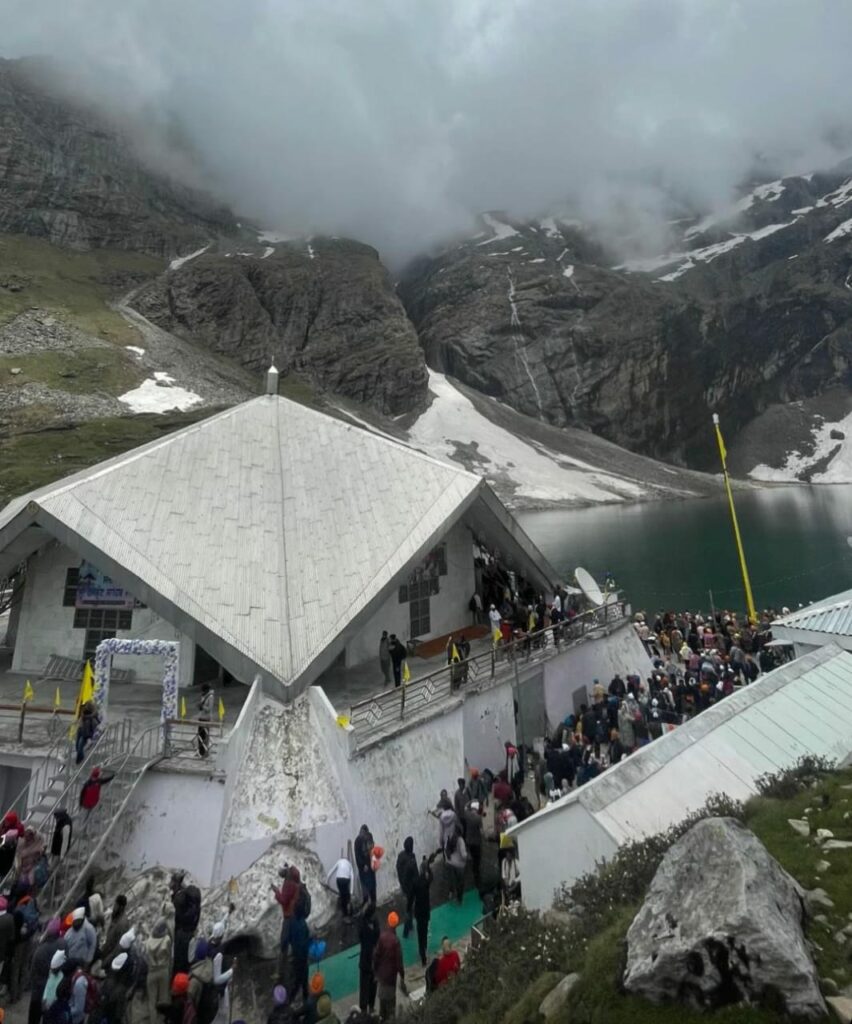
High in the snow-clad peaks of the Himalayas, at an altitude of about 15,200 feet, lies one of the most spiritually significant and visually breathtaking pilgrimage sites in India — Shri Hemkund Sahib. Located in the Chamoli district of Uttarakhand, this revered Sikh Gurudwara is a symbol of deep faith, resilience, and the power of devotion amidst nature’s grandeur.
Introduction: A Spiritual Jewel in the Himalayas
Shri Hemkund Sahib, also known as Hemkunt Sahib, is dedicated to Guru Gobind Singh Ji, the tenth Sikh Guru. The site is believed to be where the Guru meditated in his previous life. Surrounded by seven majestic peaks and nestled beside the crystal-clear glacial Hemkund Lake, the Gurudwara stands as a testament to spiritual endurance and divine connection.
Pilgrims from around the world undertake a challenging yet rewarding journey through steep trails, alpine forests, and rocky terrains to reach this serene sanctuary. The experience is not just a religious trek but a soul-stirring encounter with nature and spirituality.
Historical and Spiritual Significance
The significance of Hemkund Sahib is deeply rooted in Sikh mythology and spiritual literature. It finds mention in the Bachitra Natak, an autobiographical work attributed to Guru Gobind Singh Ji. In this text, the Guru describes a place of meditation amidst the mountains where he attained divine enlightenment before being born into the mortal world.
Although the Guru never visited the site in his earthly life, his followers, inspired by his writings, set out to locate this divine place. In the early 20th century, renowned Sikh scholar Pandit Tara Singh Narotam and later Baba Modan Singh were instrumental in rediscovering and constructing the Gurudwara at Hemkund.
The Journey: From Govindghat to the Heights of Devotion
Reaching Hemkund Sahib is no ordinary task. The pilgrimage begins from Govindghat, a small town located near Joshimath on the way to Badrinath. From Govindghat, pilgrims undertake a 13-kilometer trek to Ghangaria, a small base village nestled amidst pine forests.
The final leg of the journey — a 6-kilometer steep climb from Ghangaria to Hemkund Sahib — tests one’s physical endurance and spiritual determination. The trail, though demanding, offers stunning views of waterfalls, snow peaks, and wildflowers, making it an unforgettable experience.
Every step on this sacred trail is filled with chants of Waheguru (a name for God in Sikhism), community spirit, and a deep sense of purpose. Along the way, Langars (community kitchens) and volunteer groups offer free food, tea, and support to pilgrims.
The Gurudwara: An Architectural Symbol of Peace
At the summit stands the hexagonal-shaped Gurudwara, built entirely of white marble and concrete. Reflecting beautifully in the tranquil Hemkund Lake, the structure blends harmoniously with the surrounding natural landscape.
Inside the Gurudwara, the spiritual ambiance is powerful. The constant recitation of Gurbani (holy hymns), the serene lake, and the cool mountain air create a space of profound reflection and peace. Many pilgrims take a dip in the icy-cold lake as an act of purification before entering the shrine.
Adjacent to the Gurudwara is a Lakshman Temple, a small Hindu shrine believed to be the place where Lord Lakshman, brother of Lord Rama, performed penance after the battle in Lanka. This multi-faith significance further adds to Hemkund Sahib’s spiritual aura.
Hemkund Lake: Nature’s Mirror
The Hemkund Lake, also called Lokpal Lake, is a glacial lake fed by the melting snow of surrounding mountains. Its pristine, mirror-like surface reflects the snow-covered peaks, sky, and clouds — creating a visual masterpiece.
The lake remains frozen for most of the year, only accessible during the summer months (June to September). Its waters are believed to possess spiritual and healing properties, and pilgrims often brave the icy temperatures to take a ritual bath.
Best Time to Visit
Due to extreme weather conditions and high altitude, Shri Hemkund Sahib remains open only from late May or early June to early October. The best time to visit is June to September, when the trails are clear, flowers bloom, and the weather is relatively stable.
During these months, the surrounding Valley of Flowers National Park — a UNESCO World Heritage Site located nearby — is also in full bloom, adding another layer of beauty to the journey.
Valley of Flowers: A Bonus Blessing
For those seeking to combine spirituality with natural exploration, the Valley of Flowers trek can be added to the Hemkund Sahib Yatra. Located a few kilometers from Ghangaria, this valley is famed for its rare Himalayan flora, including the elusive Brahma Kamal, blue poppies, and orchids.
It’s believed that the same valley was visited by Lord Hanuman while searching for the Sanjeevani herb, adding mythological significance to its natural wonder.
Accommodations and Facilities
Accommodation for pilgrims is available at Govindghat, Ghangaria, and even near the Gurudwara. Basic dharamshalas, guesthouses, and tents are managed by the Hemkund Sahib Trust and local villagers. These facilities, though simple, provide the necessary shelter and meals for thousands of devotees.
Langar (community kitchen) facilities at the Gurudwara serve free vegetarian meals to all visitors, staying true to the Sikh principles of seva (selfless service) and equality.
Important Tips for Pilgrims
- Acclimatize properly: Due to the high altitude, it’s important to rest and acclimatize at Ghangaria before the final ascent to avoid altitude sickness.
- Carry warm clothing: Even in summer, temperatures can drop significantly. Layered clothing, gloves, and caps are essential.
- Stay hydrated and pace yourself: The trek is steep and physically demanding. Take breaks and drink water regularly.
- Travel light: Carry only essentials like rain gear, medicines, torch, and water bottles.
- Respect the environment: As a fragile Himalayan ecosystem, travelers should avoid littering and follow eco-friendly practices.
Hemkund Sahib Yatra: More Than a Pilgrimage
A visit to Shri Hemkund Sahib is not just a religious journey — it’s a transformative experience that connects body, mind, and soul. The path challenges your physical strength, the altitude tests your will, and the silence at the summit invites deep introspection.
It’s a place where faith meets nature, where snow and silence amplify the voice of the divine, and where every pilgrim becomes part of a timeless tradition of devotion and service.
Conclusion: A Sacred Calling
Shri Hemkund Sahib is a destination like no other — it’s a sacred space carved into the very heart of the Himalayas. Whether you seek spiritual growth, inner peace, adventure, or simply wish to witness one of the most awe-inspiring places in India, Hemkund Sahib welcomes all with open arms.
As you descend from its heights, the echo of Waheguru and the reflection of the mountains in your memory will stay with you long after the journey ends — a reminder of a higher purpose and the divine power of nature and faith.