
Ujjain: The Eternal City of Mahakal
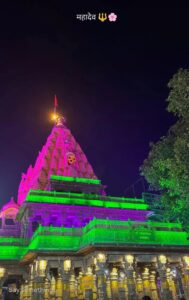
Nestled on the eastern banks of the sacred Shipra River in Madhya Pradesh, Ujjain stands as one of India’s most ancient and spiritually significant cities. Known as the City of Mahakal, it holds an esteemed place in Hindu mythology, astrology, and pilgrimage. A part of the revered Sapta Puri—the seven sacred cities in Hinduism—Ujjain has drawn saints, scholars, and devotees for centuries. From the powerful presence of the Mahakaleshwar Jyotirlinga to the cosmic rhythms of Kumbh Mela, Ujjain is a timeless symbol of devotion, culture, and cosmic connection.
Mythological Significance and Ancient Glor history is deeply rooted in myth and legend. It was once called Avantika, a kingdom where Lord Shiva is believed to have danced the Tandava, the dance of cosmic destruction. The city finds mention in several ancient texts including the Mahabharata, Ramayana, and Puranas. Ujjain was also home to King Vikramaditya, one of India’s most celebrated rulers, under whose reign the city flourished as a hub of learning, astronomy, and poetry.
It is said that Kalidasa, the renowned Sanskrit poet, drew inspiration from Ujjain’s beauty. The city’s spiritual aura continues to enchant pilgrims and seekers even today.
Mahakaleshwar Jyotirlinga: The Heart of Ujjain
The soul of Ujjain is undeniably the Mahakaleshwar Temple, one of the 12 Jyotirlingas—the most sacred abodes of Lord Shiva. What makes Mahakaleshwar unique is that it is the only Jyotirlinga that faces south, symbolizing the ‘Dakshinamurti’ form of Shiva, the destroyer of time.
The temple is an architectural marvel, adorned with intricate carvings, towering spires, and an aura that inspires devotion. Every morning, the temple hosts the sacred Bhasma Aarti, where the deity is worshipped with sacred ash in a highly symbolic ritual that draws thousands of devotees each day. Experiencing this Aarti at 4 a.m. is both powerful and unforgettable.
Kumbh Mela and the Cosmic Bath
Every 12 years, becomes the epicenter of one of the world’s largest religious gatherings—the Simhastha Kumbh Mela. During this time, millions of pilgrims converge on the city to take a holy dip in the Shipra River, believing it will cleanse them of sins and bring them closer to salvation.
The myth behind the Kumbh Mela dates back to the battle between gods and demons over the nectar of immortality (amrit). It is believed that drops of this nectar fell in four locations: Prayagraj, Haridwar, Nashik, and . The event is marked by grand processions of Naga Sadhus, spiritual discourses, and centuries-old rituals that offer a glimpse into India’s deeply spiritual soul.
Cultural and Astronomical Legacy
Beyond its religious importance, was once an important center for astronomy and mathematics. The legendary mathematician and astronomer Varahamihira lived here, and Ujjain’s observatory, Jantar Mantar, is a testament to the city’s ancient scientific wisdom.
The Tropic of Cancer passes through Ujjain, and in ancient times it was considered the Greenwich of India, used as a base for calculating Indian Standard Time. The observatory still houses massive astronomical instruments used to study planetary movements and timekeeping.
Temples and Sacred Sites to Explore
Besides Mahakaleshwar, Ujjain is dotted with numerous temples and holy sites:
Kal Bhairav Temple: Dedicated to Bhairava, a fierce form of Lord Shiva. Uniquely, devotees offer liquor to the deity as part of the rituals.
Harsiddhi Temple: One of the 51 Shakti Peethas, where a body part of Goddess Sati is believed to have fallen.
Mangalnath Temple: Believed to be the birthplace of Mars (Mangal), this temple holds astrological significance and is visited by those seeking remedies for planetary doshas.
Sandipani Ashram: According to legends, Lord Krishna and Sudama studied here under the sage Sandipani. It holds great importance in Krishna’s early life.
Festivals that Illuminate Ujjain
Ujjain’s spiritual energy is best witnessed during its vibrant festivals. Apart from Kumbh Mela, the city comes alive during:
Mahashivratri: A grand celebration at Mahakaleshwar temple with night-long chanting, processions, and a divine atmosphere.
Nag Panchami: Devotees gather to offer milk and prayers to snakes, particularly at the Nagchandreshwar Temple, which is open only on this day once a year.
Kartika Mela: Held in November, this fair brings local culture, handicrafts, and folk traditions to the forefront.
Ujjain Today: A Blend of Past and Present
While Ujjain retains its ancient charm, it is not untouched by modernization. The city has seen infrastructural development in recent years to accommodate the growing number of pilgrims and tourists. Clean roads, improved transportation, and modern amenities have made visiting easier and more comfortable.
Yet, the city has preserved its spiritual essence. Walking along the Ghats of Shipra, hearing the ringing bells from nearby temples, and witnessing saffron-clad sadhus meditating under trees—all remind you that Ujjain is more than just a destination; it’s a living, breathing symbol of India’s divine heritage.
How to Reach Ujjain
By Air: The nearest airport is Devi Ahilyabai Holkar Airport in Indore, around 55 km away.
By Train: Junction is well-connected to major cities like Delhi, Mumbai, Bhopal, and Ahmedabad.
By Road: has good road connectivity with major cities in Madhya Pradesh and nearby states.
Conclusion
Ujjain is not just a city—it is an experience that transcends time. With every temple bell, every ritual on the Ghats, and every mantra echoing through its ancient streets, Ujjain calls out to the soul. Whether you are a devotee seeking spiritual solace or a traveler exploring India’s rich cultural fabric offers a rare combination of mysticism, history, and devotion.
Visit not just to see its temples, but to feel its divine vibration, its celestial rhythm, and the eternal presence of Mahakal—the Lord of Time.